
A Living Part of Solihull’s History
The Touchwood Oak is often described as an ancient witness to Solihull’s changing landscape.
Long before the modern town centre developed around it, the oak would have stood as part of a very different environment, linking today’s Solihull with its older natural landscape.
Why the Touchwood Oak Matters
- It is one of Solihull’s oldest known trees
- It forms part of the borough’s local heritage
- It provides a visible connection between past and present
- It highlights the value of ancient and veteran trees
- It helps raise awareness of significant trees in Solihull
Ancient Trees and Local Heritage
Ancient and veteran trees are valuable not only because of their age, but also because of the habitats they provide and the history they represent.
Older trees can support a wide range of wildlife, including insects, birds, fungi and other organisms that depend on mature tree features such as hollowing, deadwood and textured bark.
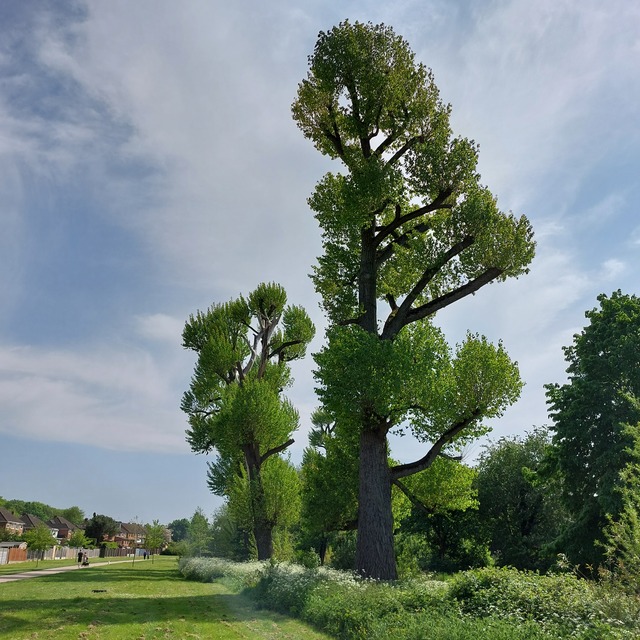
Protecting Significant Trees
Significant trees help shape the identity of local places. They can become landmarks, meeting points, wildlife habitats and important reminders of the natural history of an area.
By recognising and recording trees such as the Touchwood Oak, communities can better understand their value and help ensure they are respected and protected.
Further Reading
You can read more about the Touchwood Oak and its local history through the link below.
Read More About Touchwood Oak